
Introduction to AI
Artificial Intelligence (AI) is the field of computer science dedicated to solving cognitive problems commonly associated with human intelligence, such as learning, problem solving, pattern recognition, and language understanding. AI is already part of many day-to-day applications, like voice assistants, recommendation systems, and autonomous vehicles.
Since ChatGPT arrived at the end of 2022, large language models (LLMs) have become the form of AI most people meet first, through chat interfaces. Flint's AI assistant, Sparky, is built on the same kind of model.
What is an AI model?
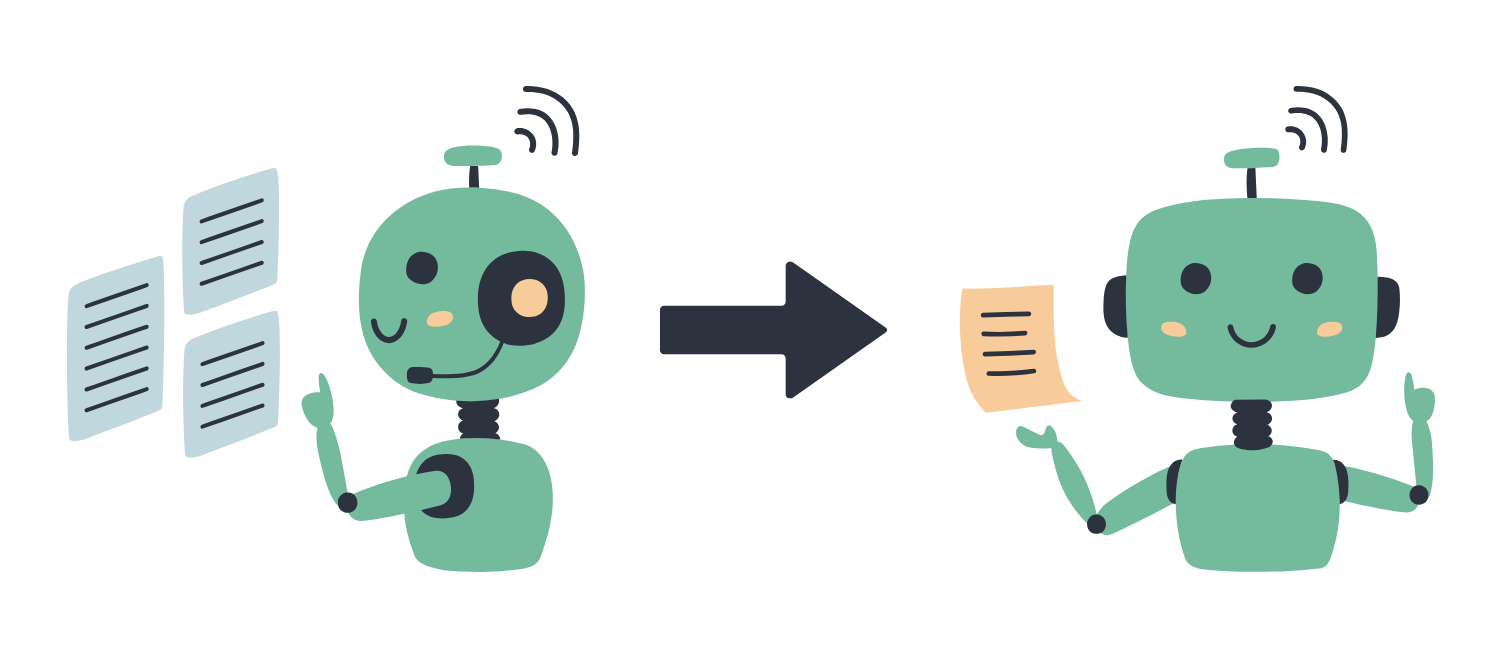
An AI model is a mathematical representation of a real-world process. Language models, for example, are AI models trained to understand and generate human-like text based on the data they are fed.
Understanding large language models
Large language models are AI models that use machine learning to write human-like text. Several companies build them: Anthropic makes the Claude family, OpenAI makes GPT, Google makes Gemini, and Meta makes Llama. New versions arrive every few months, so the specific names change quickly — the way they work does not.
The table shows historical examples of model families, not Flint's current model list.
LLMs are trained on a broad range of text, which may include publicly available information about people. A model does not automatically have live access to your school's private systems.
Flint supplies relevant user, school, class and activity context, along with saved Memories, to help Sparky respond. You do not have to type that context into each conversation. See What knowledge does AI have access to? for the difference between training, provided context and information Sparky can look up.
How do LLMs work?
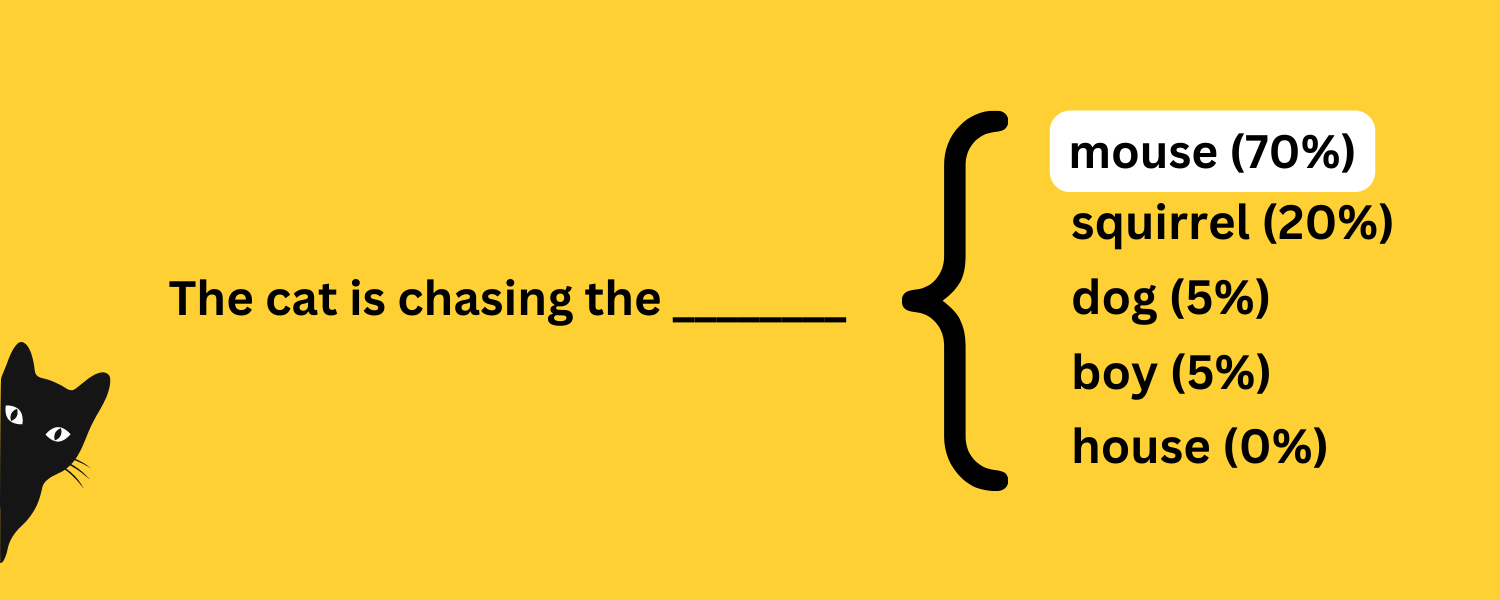
An LLM predicts the probability of the next word (or "token", as we'll cover in What are tokens and how are they used?) based on the words that came before it. Doing this over and over produces coherent, contextually appropriate sentences.
It's worth keeping in mind that LLMs don't understand text the way people do, and they are not capable of independent thought or consciousness. A confident answer is not automatically a correct one.
Foundation models
A foundation model is a large, pre-trained model that serves as the starting point for specific AI applications. These models are trained on vast amounts of data and can then be adapted for particular tasks, like translation, answering questions, or generating images. The models behind Sparky are foundation models.
Why foundation models matter
- Versatility: one model can be adapted to a wide array of tasks.
- Efficiency: adapting an existing model takes far fewer resources than training a new one from scratch for every task.
- Accessibility: they put high-quality AI within reach of people who don't have huge computational resources — including schools.