
Sharing a session gives named people access to the conversation and its analysis. You can bring in a co-teacher, a specialist or a coach when a student works with more than one adult.
Adding someone also grants participant access to the parent activity and can add membership in its class and school term. Other material may become accessible according to those parents' access settings; sharing is not a session-only access grant. If you only want to share something Sparky made, use artifact sharing instead.
Share a session
- Open the session.
- Open ⋯ More actions at the top of the page and select Share session. Depending on your access and window width, Share session may also appear directly in the top bar.
- Type names or email addresses into Add names or email addresses and pick the people you want.
- Choose their role: Can view ("Can view this session") or Can edit ("Can view and manage this session").
- Click Done.
If Flint opens Send invitation emails, select Send emails to notify the people you added. Not now saves their access without sending an email.
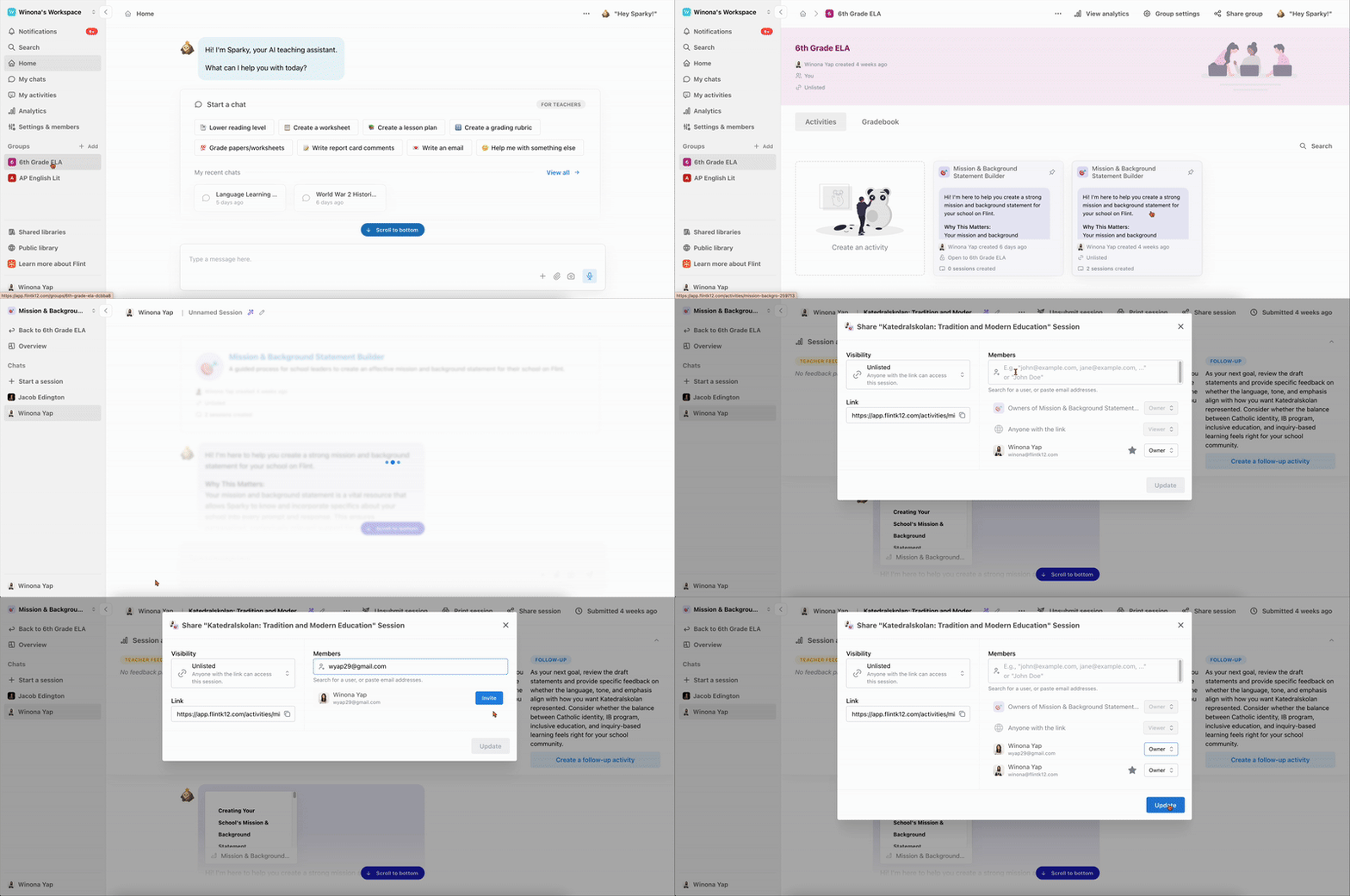
The recording predates the current design. It shows older navigation, Visibility, Owner / Viewer roles and an Update button. Follow General access, Can view / Can edit and Done in the current steps above; the recording illustrates email entry, not a completed save.
Who can share, and what they can change
Anyone who can open a session can use Share session to see General access and copy the link.
Adding or removing people, and changing General access, needs Can edit on the session. The session creator, owners of its activity, and school owners have that access automatically. School owners include admins and a teacher designated as the active term's creator, even while their role label remains Teacher. If you open the dialog without edit access, the settings are shown but greyed out.
Share session is not offered on an archived session or an activity-builder preview. Unarchive a saved session first if you need to share it; previews cannot be shared.
Removing someone from the session's people list does not remove their parent activity, class or school-term memberships. Review those memberships and General access separately if you need to revoke access; inherited access can remain after a direct session grant is removed.
General access
General access decides who can reach the session through its link, rather than by name. It offers three options, and each one spells out in its description exactly who that means:
- The first is either Public or Open to an activity, class or school — the description names the audience allowed by the parent access settings.
- Anyone with the link — people within the audience described beneath the option can open the link without a direct session invitation.
- Private — people with direct or inherited access, plus eligible content moderators.
The nearest more restrictive parent sets the audience. For example, a private activity can limit a session link to people with access to that activity, even if its class is open. Changing the session's option does not bypass private parent permissions.
School owners can view all chats and activities whatever this is set to.
What the people you share with can see
Everyone with access sees the conversation. The Session analysis panel appears once the session has been submitted — before that, only people who can edit the activity or the class can see it, and it carries an Only visible to you badge. You do not need to give anyone Can edit for them to see the analysis.
Share an artifact without the conversation
To share a document, slides, image or another artifact from a session without exposing the transcript, open the artifact and select its Share control. This option needs Can edit on a saved, unarchived session, and the artifact must already appear in a sent message; unsent work and builder previews cannot be shared.
In General access, choose Open to a class and select the class, Anyone with the link, or Private. Read the audience description beside the option: Anyone with the link follows the session's parent activity, class and school permissions, and Private limits access to the session's owners. Audience changes save as you make them. Select Copy link, then Done.
Recipients sign in to Flint. The link opens a read-only artifact page showing the latest version sent in the session, not an unsent draft or frozen copy, and does not include the conversation or its analysis. Artifact access is separate from session access, so check the audience before copying the link.
Only the person who started a session can publish its artifacts to a library, so a student can publish their own work to the school library and a teacher cannot publish it for them. A teacher who owns the session can still unpublish a copy.
To share a chat that is not part of an activity, see How do I share a chat on Flint?.