What is it?
Gradebook is a centralized source that provides you with all of your students' grades within a class. It's a powerful tool that allows you to get a quick overview of your students' grades and makes record keeping easy.
You need Can edit access to the class to review all students and use Filter, Edit grade weights or Download as CSV. Students and other non-editors see only their own work.
Why is it important?
Gradebook helps teachers track student progress, inform instructional practices, and find trends throughout their classrooms. It'll save teachers time on grading without needing to go into individual activities to see each student's progress.
It'll also help teachers individualize student learning by allowing them to target specific skills. Whether it's additional scaffolding or enriching activities, you can use your Gradebook to support all of your learners!
- Navigate to your class
- On the left navigation bar, you will see "Gradebook"
- From there you will see all of the activities and student grades in one spreadsheet
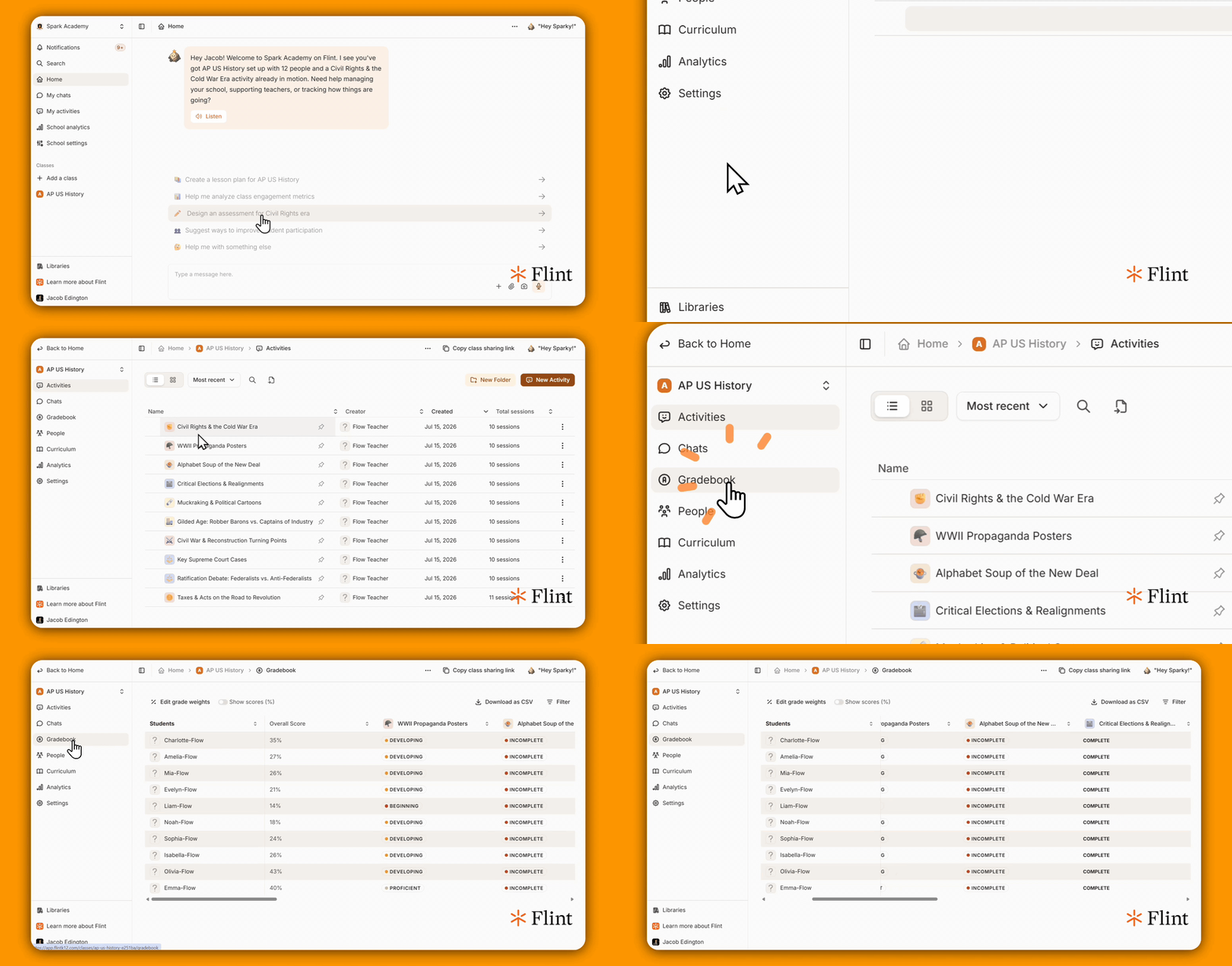
A dash means there is no submitted, graded attempt to display for an activity with a rubric; grading may still be pending. Activities without a rubric show completion instead of a grade. In-progress work and archived submissions are not shown here. Open the activity's sessions or submissions to review work that has not received a grade.
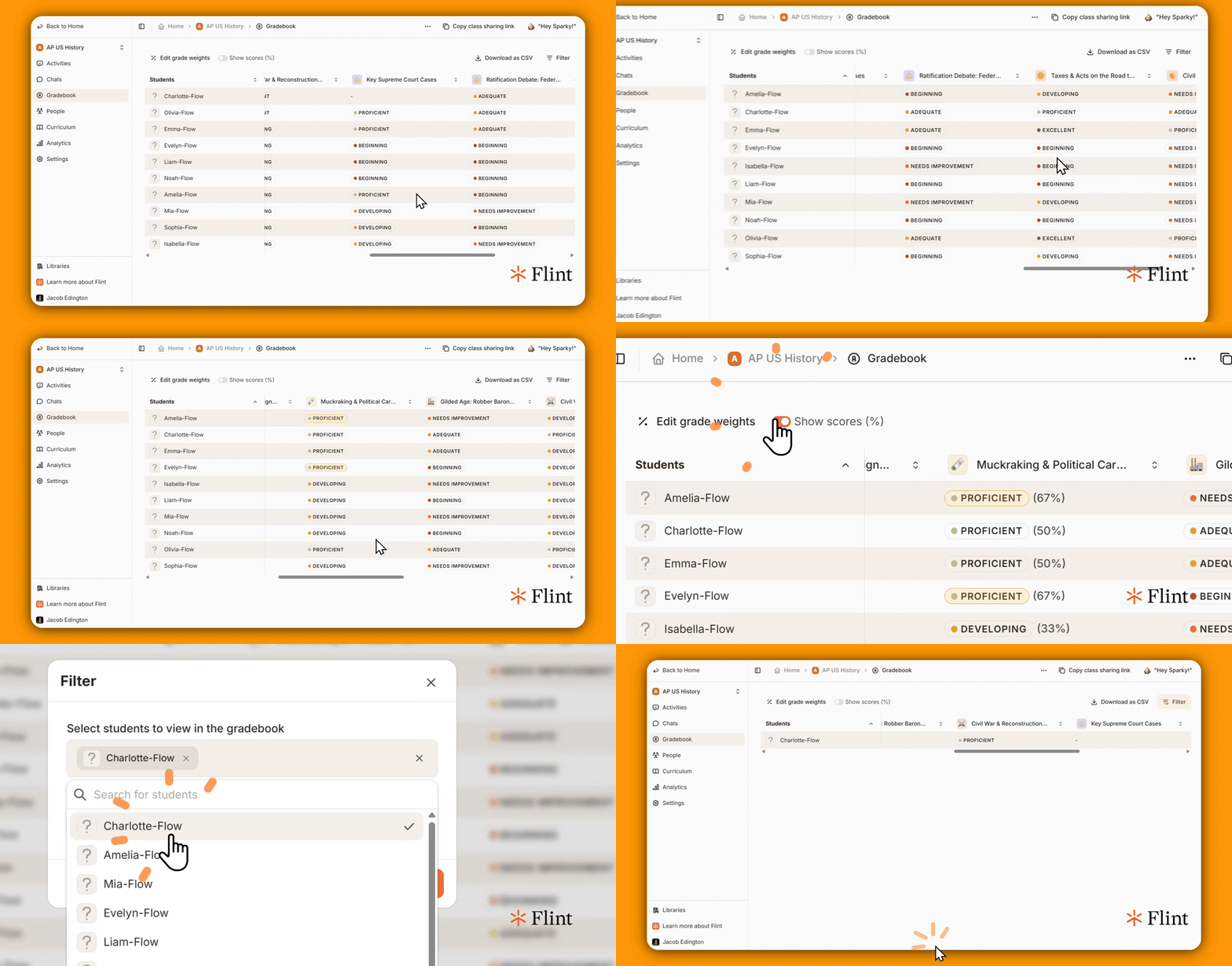
- Click the Students sort icon and choose first-name or last-name order, A–Z or Z–A. Last-name A–Z is the default. The arrows beside an activity or Overall Score toggle the sort direction.
- Hover over the grade to see when it was submitted or when the grade was last adjusted.
- Show the overall percentage on the grade by clicking on the "Show scores (%)" toggle.
- To filter by student or activity, click Filter at the top right, choose the students and activities, then click Apply.
Each graded cell starts with the most recently created graded submission, not the highest grade. If a student has several graded attempts, use the chevron beside the grade to choose another. That selection changes the displayed grade, Overall Score and CSV export, but does not override a saved grade. Reloading returns to the newest graded attempt.
Overall Score includes activities with grading rubrics. Without weight categories, those activities count equally. A missing score counts as zero, including work that has not been submitted or graded. Filtering the table does not change which activities count towards the overall score.
To weight categories differently:
- Click Edit grade weights.
- Use Add new weight category to add categories with unique names. Their whole-number percentages must total 100.
- Assign graded activities to categories by dragging them, or by clicking an activity's move icon and choosing a category.
- Click Save.
Each category averages its activities' scores, then contributes according to its weight. Once categories exist, Uncategorized activities do not contribute. Categories with no activities that have a grading rubric are ignored, and the remaining weights are scaled proportionally. If no weighted category contains activities, Overall Score shows a dash.
For lessons and file uploads, you can also choose Grade weight category in the activity's Grading panel. See Using rubrics in Flint.
- Click a student's grade to open their work.
- For a lesson session, change the grade at the top right and confirm the override. For a file-upload submission, use Edit feedback to review and change rubric grades, then click Save feedback. Every rubric category needs a grade before saving; Clear edits discards unsaved changes. See Using rubrics in Flint for category-level editing.
- For an assessment, this opens the assessment submission instead. Review the question-level Score fields: free-response scores can be changed after auto-grading finishes; machine-graded multiple-choice scores are not editable there. The overall grade is calculated from question scores, not edited in the header.
Assessment scores and teacher feedback remain hidden from the student until you use Share results. Share answer key is a separate control for correct answers, grading guides and available AI analysis after submission.
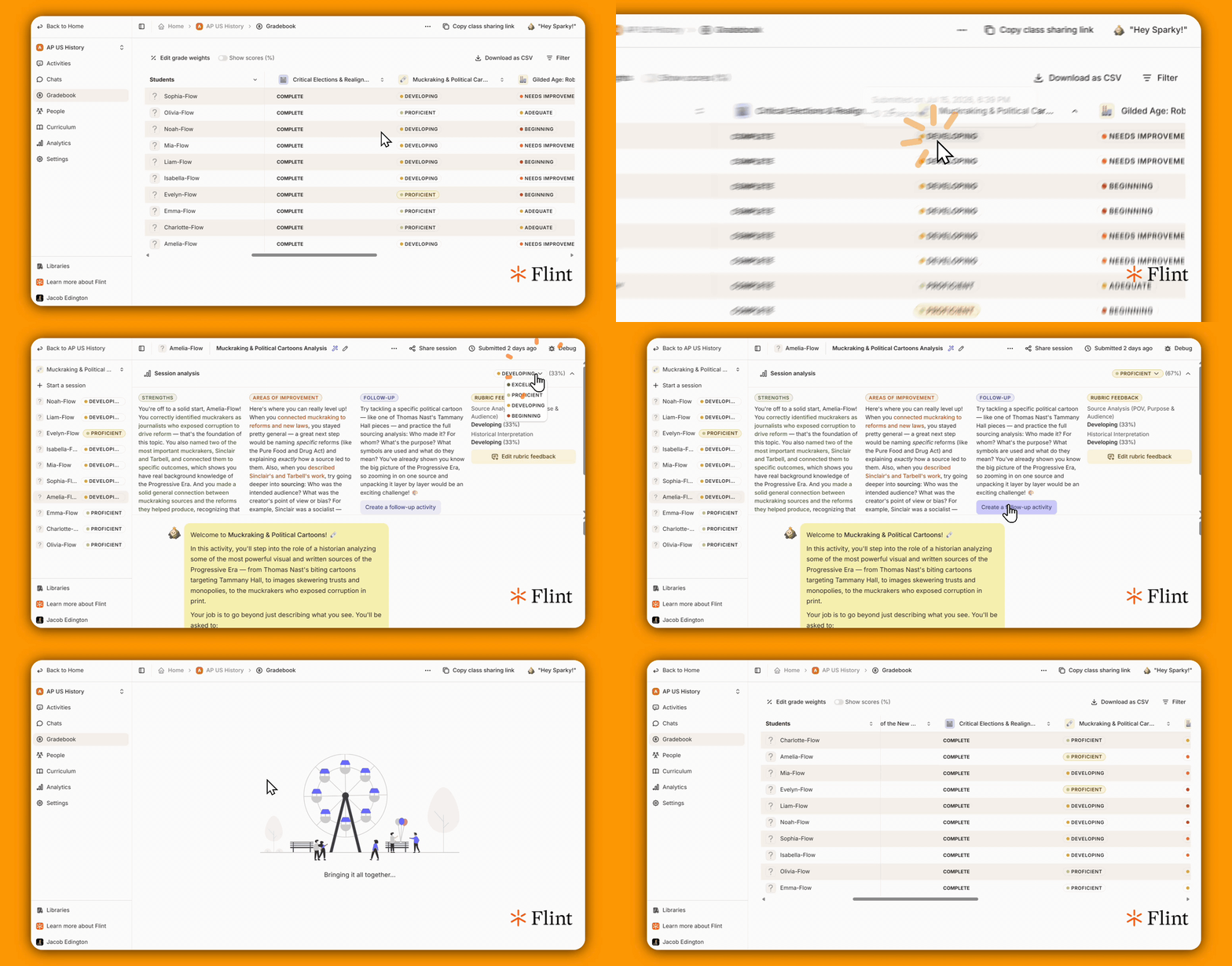
This recording shows a session grade override, not assessment question scoring.
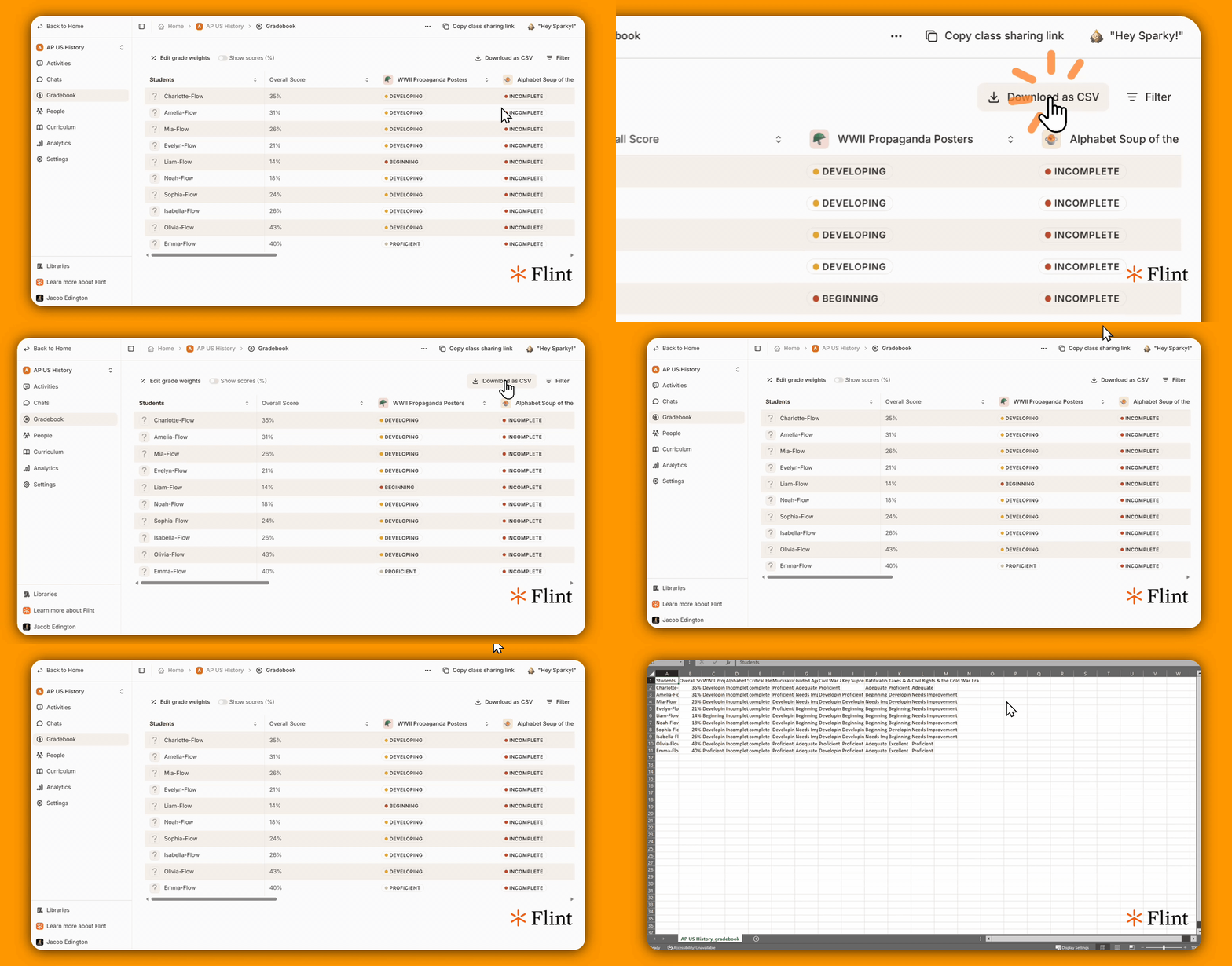
- At the top of your Gradebook, next to Filter, click Download as CSV.
The CSV follows your current filters, student sort order, name format and selected attempts. It includes Overall Score as a percentage and individual activity grade labels or completion status. Show scores (%) does not add individual activity percentages to the export.