
A term is a semester, quarter, or any other academic period. Terms hold your people and classes, so a new term gives you a clean place to set up the next semester while the current one carries on untouched.
Terms live in Admin → Settings → Terms. School admins can manage them; teacher-labelled school creators with ownership can too. Ordinary teachers and students do not gain school-management access from their role. A student who creates a personal free school has only basic General and People settings, not the Terms page described here.
Active, visible, and invisible
Every term is in one of three states, which you set in the Visibility field of the term:
| State | Who sees it |
|---|---|
| Active | The default term. It is what teachers and students land in when they open Flint. |
| Visible | Teachers and students with access can switch to it, but they don't start there. |
| Invisible | Only school owners, including teacher-labelled creators, can see it while it is being set up. |
A school has exactly one active term, and making a new term active moves everyone into it.
Create a term
- Go to Admin → Settings → Terms.
- Click Add.
- Give the term a Term name — the name is required, the Start date and End date are optional.
- Click Create.
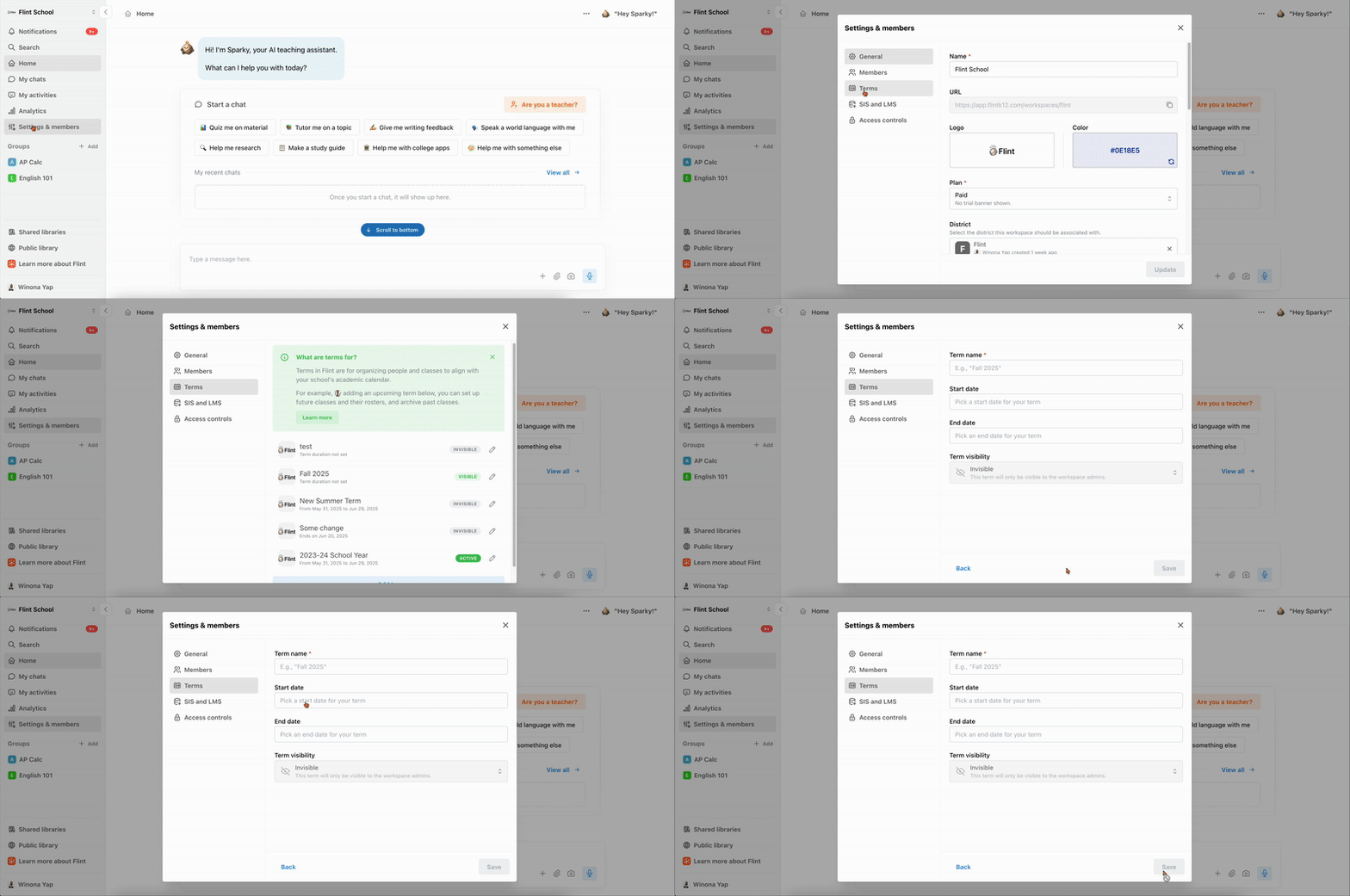
Recorded in Flint's previous settings window, so the screens look older than the steps above. A new recording is on the way.
New terms always start invisible, so people without school ownership cannot see the term while you work on it. Once it is ready, open it again with the pencil icon and change Visibility.
A new term is nearly a blank slate: no classes, activities, or sessions come across. Flint copies three things from your active term so moderation keeps working — the moderation guidelines, any custom moderation categories, and your content moderators, who keep their roles and grade levels in the new term. The new term's creator keeps their existing school-role label from the active term, or is added as Admin if no role is available; ownership comes from being the creator, not from the label. Everyone else, including admins who aren't moderators, has to be added again from the People tab.
Flint also makes a staff creator a content moderator if they are not already one. Before students arrive, review the moderators' categories, grade levels and alert frequency.
After you create a term, Flint switches you into it and opens SIS and LMS, ready for you to bring people and classes in.
Fill the term with people and classes
- From your SIS or LMS. Click Import next to your connection and follow the wizard. See importing users and classes from an LMS or SIS.
- By hand. Add people by email address, CSV, or email domain — see inviting students, teachers, and admins.
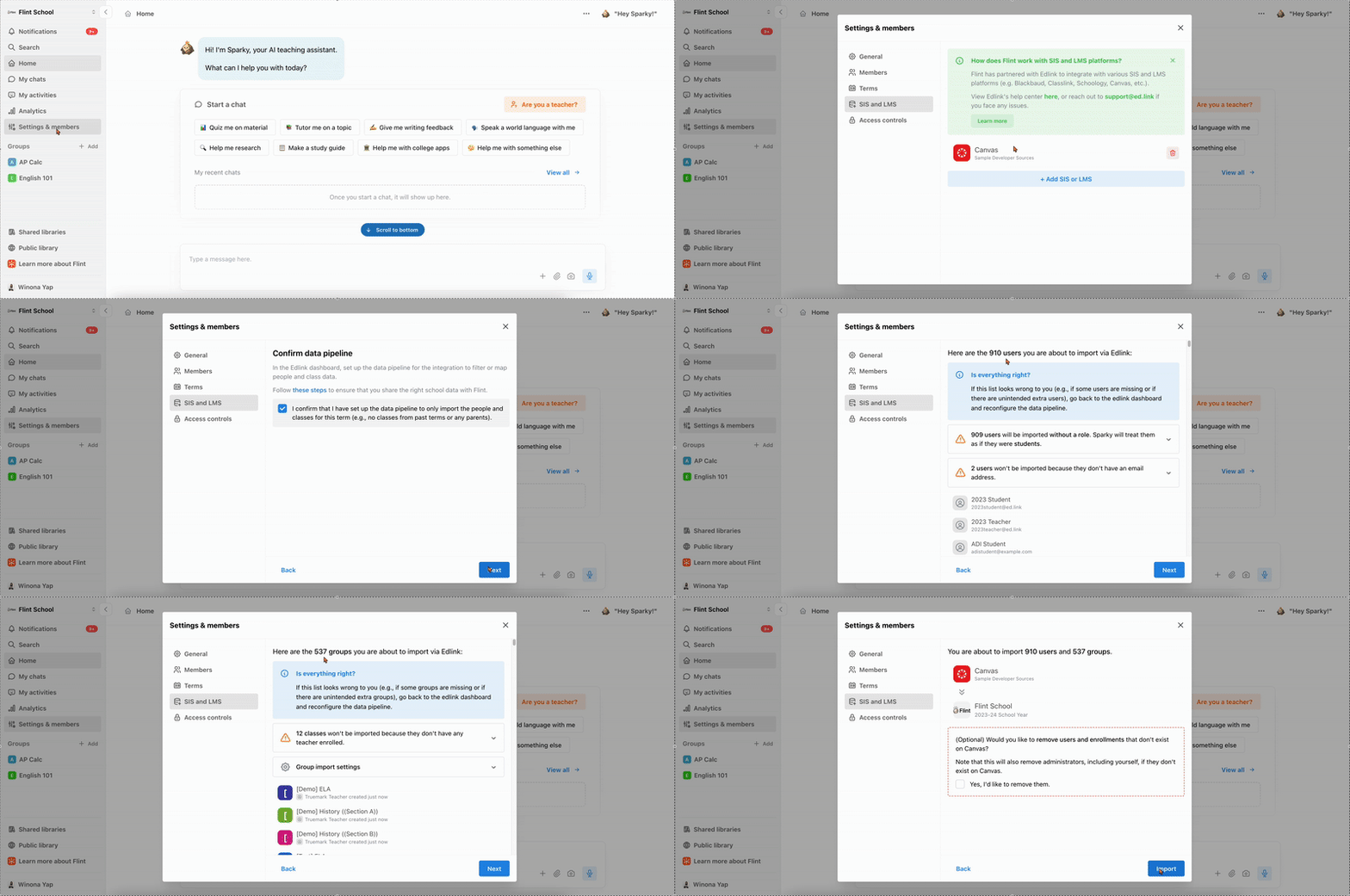
This recording shows an earlier version of the import, with a "Confirm data pipeline" step that no longer exists. The importing article has the current steps, and a new recording is on the way.
Then open Admin → Settings → People and check the roles before anyone arrives. Anyone with no role is treated as a student; see assigning roles to students and teachers. Remember to click Save after any change.
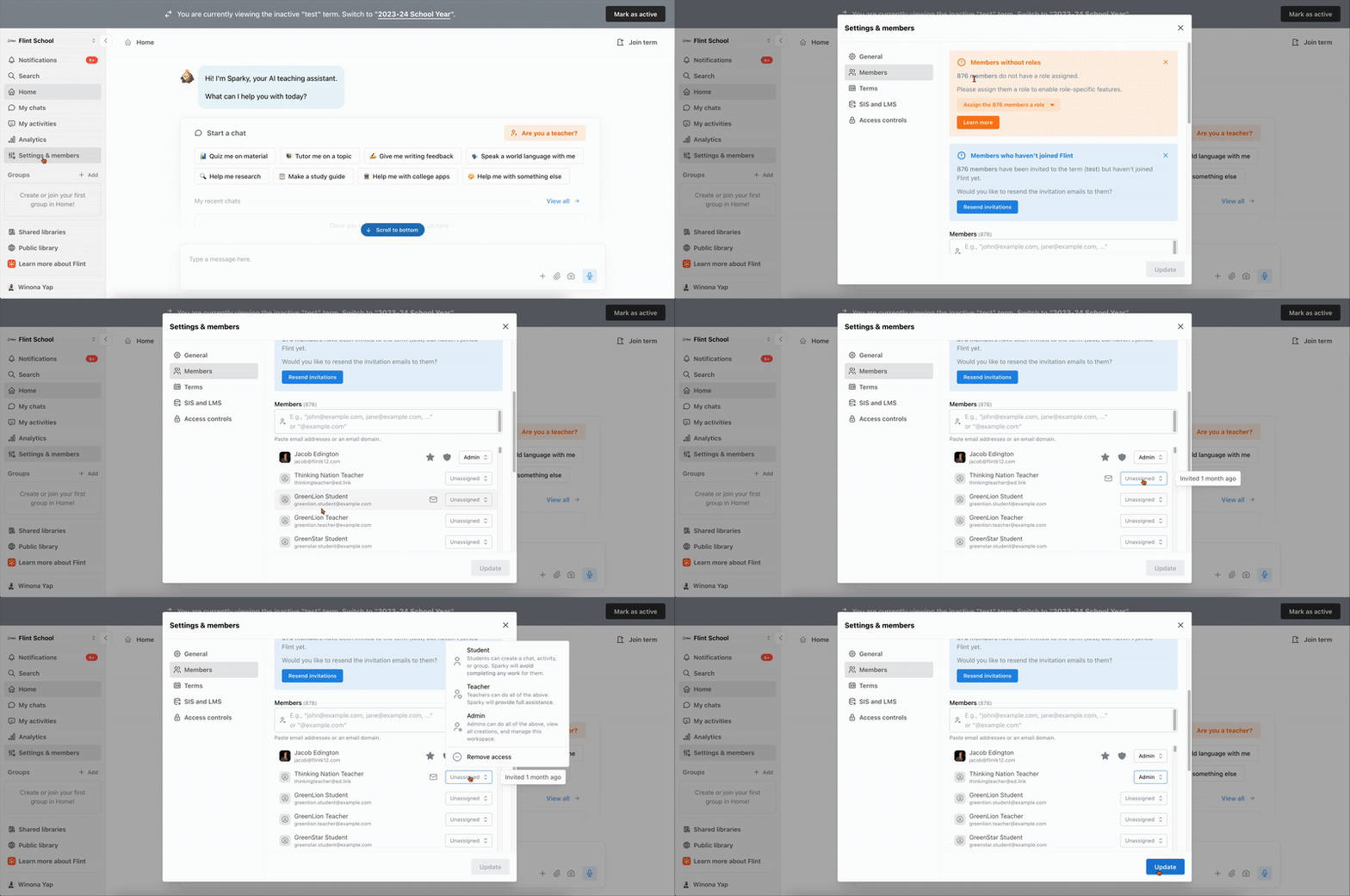
Also recorded in the previous settings window: the page is now People, and the button you finish with is Save.
Activities from a previous term can be moved or duplicated into the new one.
If you enable Automatically keep {term} in sync during the import, automatic sync waits until this term is active. Import manually while you prepare the inactive term. Admin essentials checklist
Make the term active
- Switch to the term you want to activate. A banner appears across the top: "You are currently viewing the inactive ... term."
- Click Mark as active in that banner.
- If the term has fewer than 10 people or fewer than 10 classes, Flint asks whether you want to import first. Choose Import to go to SIS and LMS, or Skip if your roster is already complete.
- Read the access warning in Confirm term activation. Activating removes access for people who are not in the new term, so use Review people if you want to check the roster first.
- Tick the confirmation checkbox and confirm.
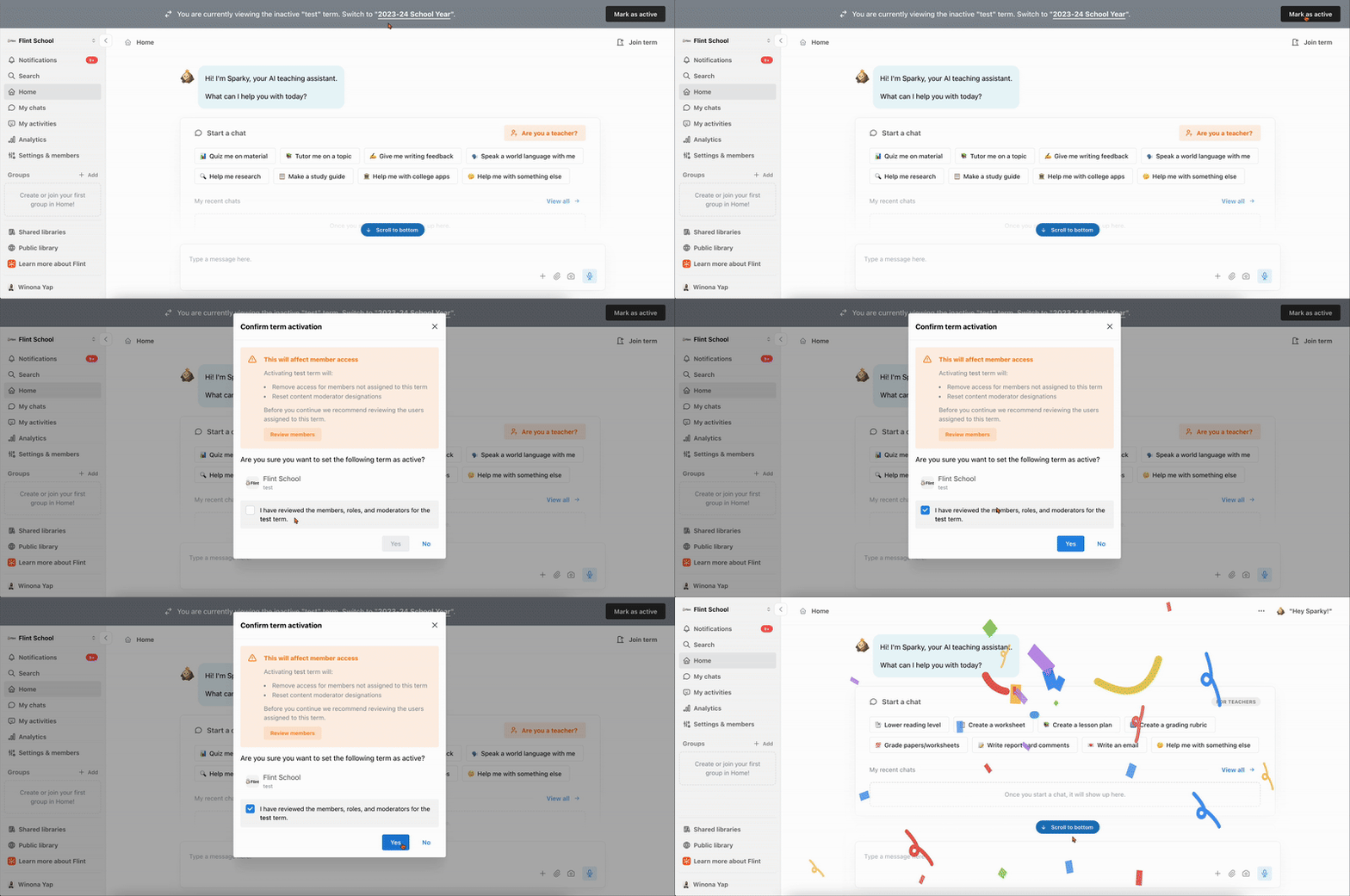
The Mark as active button still sits in the banner exactly like this; the sidebar and home page around it have been redesigned since this was recorded.
Teachers and students now land in the new term, and the old one stays available to admins.
Review Admin → Settings → Moderation after activation. Existing moderators remain assigned; the staff member confirming activation is assigned as a moderator with all grade levels and notification categories. Do not rely on the dialog's reset warning to clear other moderator assignments.
Edit or delete a term
On the Terms page, the pencil icon opens Edit term, where you can change the name, dates, and Visibility. The trash icon deletes a term — it is not offered for the active term, and deleting permanently removes that term's classes, activities, sessions, and chats, so Flint asks you to type the term's name to confirm.